
This post is part of a weekly series reviewing higher-education websites through the lens of prospective students and families, focusing on the information they need from a website and how well institutional sites help them find it. Reviews are published in a spirit of collegiality and support. If you notice an inaccuracy or have an issue with a website review, please get in touch.
See more college and university website reviews.
This Wayne State College website review looks at the undergraduate admissions experience on wsc.edu from two vantage points: a high school student weighing options, and a parent helping that student decide. Wayne State has built one of the clearest cost stories this series has seen. A family can reach a full 2026-27 cost estimate in a single click, the same tuition rate applies whether a student lives in Wayne or Des Moines, and a new net price calculator turns the published numbers into a personal one. The opportunity sits inside that strength. The Tuition Guarantee, one of the college’s most compelling offers, is described in slightly different terms depending on where a family reads about it.
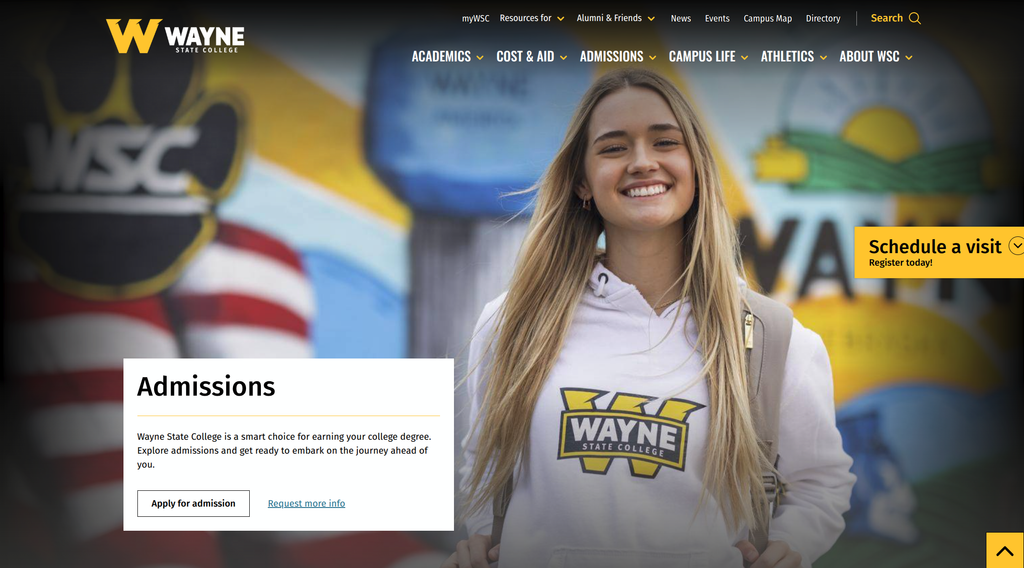
Wayne State College at a glance
- Location: Wayne, Nebraska
- Type: Public regional college; member of the Nebraska State College System
- Founded: 1891 as Nebraska Normal College; a state institution since 1910
- Total enrollment: 4,666 (IPEDS, fall 2024)
- Athletics: Wildcats, NCAA Division II, Northern Sun Intercollegiate Conference
Summary of Wayne State College Website Review
Clear strengths
- Cost is easy to find and easy to read. The Cost and Aid page leads with a 2026-27 estimated annual cost of $18,456, broken into tuition, fees, housing, and meals, presented as accessible text and tables rather than images or PDFs.
- Residents and non-residents pay the same rate, and comparison tables against Nebraska, Iowa, and South Dakota institutions give families a ready frame of reference.
- A new, mobile-first net price calculator lets a family see a personal estimate without filing the FAFSA first.
- “No application fee. Ever.” appears consistently across the admissions experience and removes a small but real barrier for families.
- Visit options are broad and current, with dates posted into spring 2027, including junior and senior days, transfer days, virtual visits, and Día de Familia, a Spanish-language visit day for students and their families.
- The content foundations are strong, with SEO scores of 100 and accessibility scores of 95 or higher on every page tested.
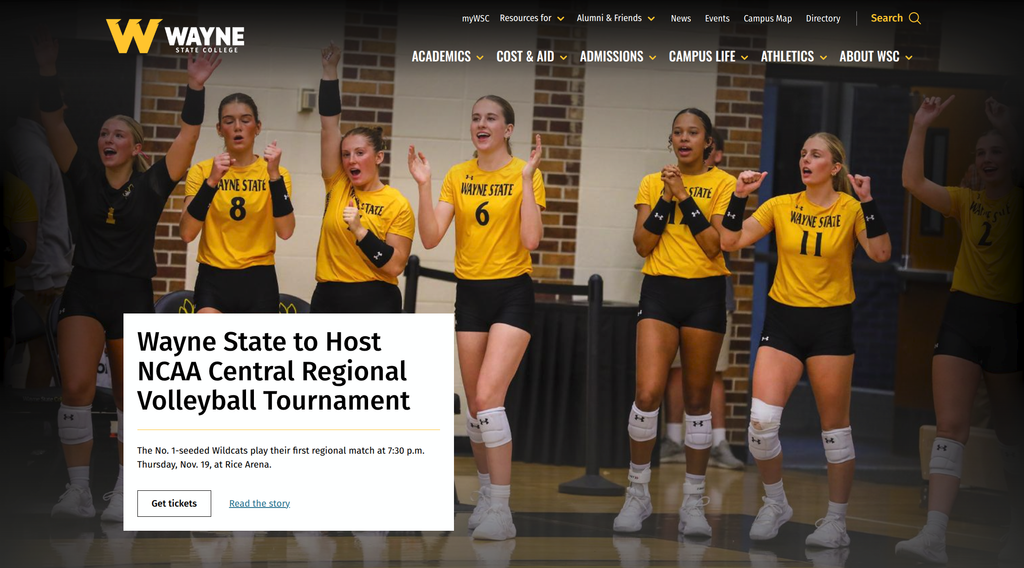
Strategic opportunities
- The Tuition Guarantee is described three ways. The Cost and Aid page mentions Pell-qualified students, the guarantee page adds a family income pathway, and the state college system page describes it as a program for Nebraska residents. A family in Iowa or South Dakota may reasonably wonder whether it applies to them.
- There is no dedicated path for parents and families. I went looking for a page written with parents in mind and did not find one.
- The journey crosses three platforms, from wsc.edu to a Slate site for visits to a nebraska.edu portal for the application, and each one looks and labels things a little differently.
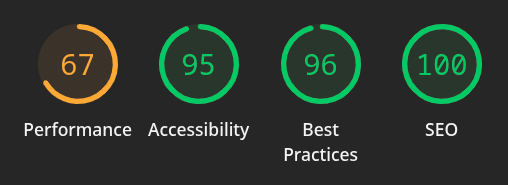
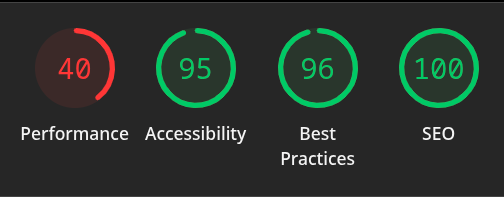
- Performance trails the rest of the Lighthouse results, especially on mobile (31 on the home page, 40 on Admissions).
- A few small details on high-traffic pages, including two different average-remaining-cost figures, would benefit from a light polish.
Wayne State College Website Review: Technical foundations
The main site runs on the Jadu content management system, credited in the footer. Visit registration and event calendars run on Technolutions Slate at gocats.wsc.edu, which carries the college’s name and navigation. The first-year application is hosted on a PeopleSoft-based portal on a nebraska.edu domain. The net price calculator is powered by Meadow. Athletics lives on its own site, wscwildcats.com, and student videos live on explorewaynestatecollege.com. Google Tag Manager is present across the main site.
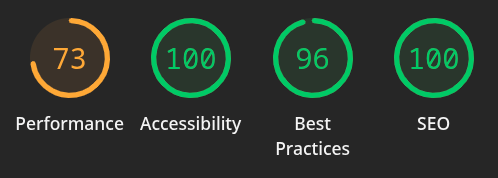
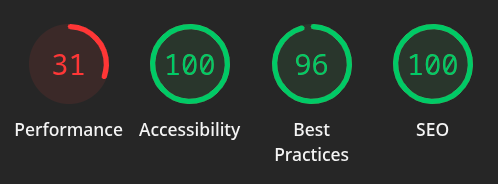
The Lighthouse results tell two stories. The content layer is in excellent shape: SEO reaches 100 on all four pages, and accessibility scores range from 95 to a perfect 100 on the home page. Best Practices holds at 96 throughout. Performance is where the headroom lies. The home page scores 73 on desktop and 31 on mobile, and Admissions scores 67 and 40. The drop from desktop to mobile is steep on both pages, and the diagnostics point to page weight and heavy scripting rather than content. Performance matters because so much early college research happens on a phone, often in a few spare minutes between other things.
Wayne State College Website Review: Information architecture and findability
The main navigation is plain and predictable: Academics, Cost & Aid, Admissions, Campus Life, Athletics, and About. The tasks that matter most to a prospective family are close at hand. Cost and the visit page are one click from the home page. The application is two clicks away, through a well-organized Apply page that sorts steps by student type. Programs take two clicks, through Academics to the undergraduate program finder.
The Admissions hub routes visitors by audience: undergraduate, transfer, international, graduate, military and veterans, and non-degree and dual credit. Admissions representatives are listed by region, each with a phone number, and two note that they speak Spanish. For a student who wants to talk to a real person, that page does the job well.
The program finder is a strong point. Its filters by career field, delivery method, and campus location answer the questions students tend to ask first, and each entry labels whether it is a bachelor’s degree, minor, or partner program. The Academics landing page itself does not include a search box, so the finder is one click deeper than it could be.
Families are the audience without a front door. The site’s “Resources for” menu serves current students, faculty and staff, and alumni and friends. Parents, who often carry the cost questions and the paperwork, are left to assemble answers from across the site. A family page would also help with an unusual findability challenge.
Cost, financial aid, and transparency
Cost is often the center of the decision, and Wayne State treats it as a priority. The Cost and Aid landing page opens with a 2026-27 estimated annual cost of $18,456, based on 15 credit hours per semester, a standard double room, and a 225-meal block plan, with tuition, fees, housing, and meals listed line by line. The same page reports an average remaining cost after aid and scholarships of $4,153, which is the kind of number a parent remembers on the drive home.
Two choices stand out. First, the undergraduate rate is the same for Nebraska residents and non-residents, and the page tells Iowa and South Dakota families directly that they receive in-state tuition. Second, comparison tables set Wayne State’s cost beside institutions in all three states. This gives families the context they would otherwise build in a spreadsheet of their own. Payment plans are linked from the same page.
The new net price calculator builds on that foundation. It is designed mobile first, does not require the FAFSA to get started, and can show cost per term, per year, or across a full degree. For a family that has just seen the average remaining cost, it answers the natural next question: what would it be for us?
One small detail is worth closer review. The news release announcing the calculator cites an average remaining cost of $1,189, while the Cost and Aid page cites $4,153. Both may be accurate for different groups or years, but a parent who sees both will wonder which applies to them. A short note on what each figure measures would settle it.
The Tuition Guarantee is where a little alignment would provide clarity for families. The guarantee covers tuition, up to 18 credits per semester, for qualifying students after the Pell Grant, and it is a remarkable offer. Today it is described in three places:
- The Cost and Aid page describes free tuition for Pell-qualified students.
- The college’s guarantee page adds a second pathway, a family adjusted gross income of $70,000 or less, but does not address residency.
- The Nebraska State College System page lists Nebraska residency as a requirement.
A 2021 college news release announced that the guarantee was extended to students from outside Nebraska, but the current guarantee page does not say so. For an Iowa family earning $65,000 who just compared costs on the Iowa table, the answer to “does this apply to us?” depends on which page they read last. Each description is accurate in its own way. Together, they leave a family less certain than the rest of this section has made them.
Accessibility, usability, and inclusivity
Accessibility scores of 95 to 100 reflect careful work, and the content choices support them. Cost figures are published as text and tables a screen reader can read, not as images. The Apply page uses clear headings for each student type, and its freshman steps are written in plain language, including a note that test scores are encouraged but not required.
Inclusivity shows up in practical ways, too. Día de Familia invites Spanish-speaking students and their families to campus, two admissions representatives speak Spanish, and military and veteran students have their own path from the Admissions hub. These details tell families they were expected.
A few small copy details are worth a second look. The visit page describes a “personaized” tour and “viritual” transfer experiences, the net price calculator link on the Cost and Aid page reads “Calculator your net price,” and the college profile lists a “student-to-faculty radio.” None of these block a task, and each is a quick fix.
Wayne State College Website Review from an Executive lens: enrollment, risk, and governance
Enrollment and funnel. Affordability is Wayne State’s clearest differentiator, and the site presents it with confidence. The Iowa and South Dakota comparison tables suggest an interest in families beyond Nebraska, which makes the Tuition Guarantee’s residency question more than a detail. The application handoff is the other point to watch. The freshman “Apply now” link leads to a nebraska.edu portal, while guidance about creating an account and receiving a student ID appears only in the dual credit section. A sentence of context for first-year applicants would help them know they are in the right place.
Risk and compliance. The accessibility posture is strong across the pages tested. The main exposure is expectation risk. When an offer as significant as free tuition is described differently across pages, a family may plan around an answer that does not hold for them. Aligning the language protects both the family and the college’s credibility.
Governance and maturity. The site shows signs of active investment, from the new net price calculator to visit dates already posted through spring 2027. The experience spans Jadu, Slate, Meadow, and a PeopleSoft-based application, plus separate athletics and video sites. Small differences follow from that spread. The main site says “Cost & Aid,” for example, while the Slate visit pages say “Tuition & Aid.” The Tuition Guarantee language also spans both the college and the system office sites, which makes a single shared description especially valuable.
Wayne State College Website Review Recommendations
- Give the Tuition Guarantee one clear description. State who qualifies, including both the Pell and income pathways, whether students outside Nebraska are eligible, and what the guarantee covers, using the same words on every page where it appears.
- Connect the guarantee to the cost estimate. A short line near the $18,456 figure showing what tuition can look like for a qualifying student, with a link to the net price calculator, would turn three strong pieces of content into one answer.
- Add a page for parents and families. Gathering cost, the guarantee, the net price calculator, scholarship deadlines, visits, and contacts in one place would serve a key audience and help distinguish Wayne State College in search.
- Prepare first-year applicants for the application handoff. A sentence on the Apply page noting that the application opens on a Nebraska system portal and requires a new account would ease the transition.
- Align labels and visual design across platforms. Consistent navigation labels and styling across wsc.edu, the Slate visit pages, and the application portal would help families feel they never left Wayne State.
- Lighten the pages. Trimming unused JavaScript and image weight would lift performance on every page, especially on mobile, and match the mobile-first thinking behind the new calculator.
- Polish small details. Reconciling the two remaining-cost figures and fixing the net price link text and the visit page and college profile typos are quick wins on pages families visit often.
An invitation to collaborate
This series exists to share what prospective students and families experience when they come looking for answers, and to help institutions serve them well. If you lead marketing, enrollment, or digital strategy at a college or university and would like a deeper, institution-specific review, we are glad to help.
Want to work together? Get in touch.
Disclaimer: This review is based on publicly available information at a specific point in time and reflects professional opinion offered constructively. Websites change frequently, and details may have shifted since publication. Institutions are welcome to submit corrections or updates, which will be incorporated promptly.